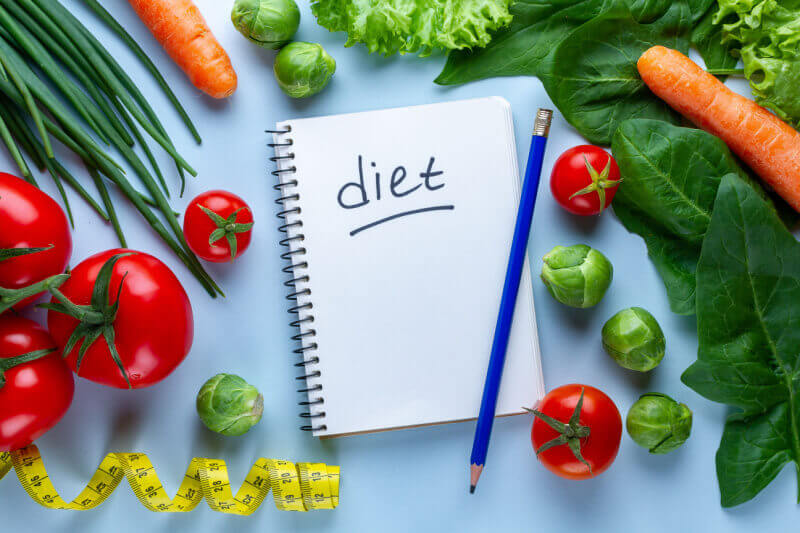
In today's world, increasing body weight beyond the norm can be uncomfortable and is a growing concern for both men and women. The prevalence of obesity and excess weight is on the rise, primarily due to lifestyle factors.
When people contemplate shedding those extra pounds, the first thought often turns to dieting. Many embark on various diets, such as crash diets, intermittent fasting, or the keto diet, in pursuit of rapid weight loss. However, it's crucial to understand that dieting isn't synonymous with starving oneself or drastically cutting food intake.
According to nutritionists, a diet involves consuming food based on individual needs, controlled for specific circumstances. The key to managing one's weight lies in maintaining a balanced diet. Creating a well-rounded dietary plan takes into account factors like age, weight, height, occupation, gender, and daily calorie requirements.
Achieving healthy weight loss doesn't necessarily mean giving up favorite foods or drastically reducing calorie intake. Weight gain isn't solely about food; it can also result from underlying physical conditions, medications, hormonal imbalances, and more. It's essential to understand the root causes of excess weight gain and make lifestyle changes accordingly.
Here are 7 effective strategies for achieving healthy weight loss:
1. Morning Cardio Workouts
Kickstart your day with a morning cardio workout before meals. Activities like brisk walking, running, cycling, or stair climbing can help burn calories and reduce excess body weight. For those who prefer not to restrict their diet severely, burning calories through exercise is a great approach. Engaging in small cardio workouts, such as walking, jogging, or running, before breakfast can yield better results, as it burns more calories.
2. Prioritize Sleep
Inadequate sleep can contribute to weight gain, so it's crucial to break the habit of waking up at night. Ensure you get a sufficient 7-8 hours of sleep each night to boost your metabolism.
3. Strategic Hydration
Contrary to some beliefs, drinking water before meals can aid weight loss. Having a glass of water before a meal can partially fill your stomach, helping you consume less food during your meals. Additionally, maintaining proper hydration throughout the day supports an efficient metabolism.
4. Increase Protein Intake
Boosting your daily protein intake can rev up your metabolism and assist in weight loss. Foods like eggs, nuts, and seeds are known to enhance metabolism. However, it's important to strike a balance between protein and carbohydrates in your diet; avoiding carbohydrates entirely is not recommended.
5. Sugar Reduction
For effective weight loss, it's imperative to eliminate or significantly reduce sugar from your diet. Even a teaspoon of sugar contains a substantial 16% of calories, which can hinder your weight loss efforts. Excess sugar consumption leads to calorie surplus, so it's crucial to cut back on sugar in tea, milk, and other daily consumption.
6. Avoid Processed Snacks
Steer clear of sugary beverages and deep-fried snacks like samosas, singaras, or other calorie-laden items consumed during mid-afternoon or as evening snacks. These extra calories can impede your weight loss progress.
7. Consistent Meal Times
Skipping meals or eating sporadically can slow down your metabolism and lead to overeating later in the day. Establish regular meal times to maintain a steady metabolic rate and prevent excessive calorie intake.
By following these strategies and incorporating them into your daily routine, you can work towards achieving healthy weight loss without resorting to extreme dieting. It's important to prioritize long-term well-being and make sustainable choices for lasting results.
Comments
Post a Comment