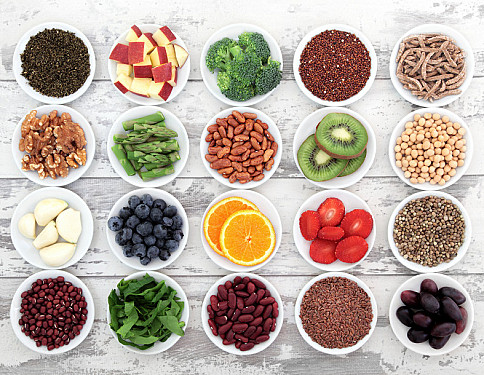
Many of us now know the need for superfoods for good health. Because, the saying that superfood is beneficial for health is very common nowadays. But many of us don't know exactly what superfood means.
Many of the superfoods found in local articles do not fit the many taste, or are not readily available in many country. Or even if found, the price is much higher.
This article aims to give you a brief overview of what are the best superfoods and what superfoods should be avoided in any situation.
Also, if you want to know more about healthy foods, you can read which foods have the most vitamin A.
What is beneficial food?
In a word, beneficial food means a lot of nutritious food that can meet the main nutritional needs of the body.
According to Wikipedia, superfood is a marketing term that has many health benefits as a result of its abundant nutrition. However, food experts, dieticians and nutritionists do not usually use this term.
Although cockroach milk is not a superfood or such nonsense, these nutritionists are not satisfied with what some companies are releasing in the market.
According to them, natural foods contain superfoods. So, according to them, there are a lot of nutrients in our today's arrangement with 6 such superfoods.
8 beneficial food for good health:
1. Green leafy vegetables
Why eat?
Green leafy vegetables are rich in fiber, folic acid, iron, calcium, magnesium, vitamin C and almost all the essential nutrients.
So for the health of your body and mind, at least two to three days a week, you should eat plenty of all kinds of green leafy vegetables, including spinach, spinach, pumpkin. This will help you to avoid all diseases from heart disease to anemia.
When not to eat
Green leafy vegetables are a very safe food. So there is no reason not to eat without the direct prohibition of the doctor. Doctors, however, forbid kidney patients to eat spinach.
2. Green tea
Green tea was not readily available in this country before. But now green tea is easily available in any store or super shop. Prices are also within reach.
Why eat?
Having plenty of antioxidants, green tea reduces the risk of cancer and helps prevent aging. It also lowers cholesterol and reduces the risk of diabetes and heart attack.
When not to eat
The tannins in green tea increase the secretion of stomach acid. So patients with severe acidity should not eat it. Others should not eat on an empty stomach. Do not eat more than four to five cups of green tea a day.
When buying green tea, try to buy tea leaves without buying tea bags. Practice eating without sugar. The fresher the green tea, the more effective it is.
3. Yogurt
Why eat?
In addition to plenty of calcium, vitamins B6 and B12, riboflavin, potassium, magnesium and protein, it also contains a lot of good bacteria or probiotics.
Probiotics increase immunity. Regular yogurt consumption can prevent bone loss, and aids digestion. You will get the same benefits even if you play Butter milk.
When not to eat
Don't eat red or colored yogurt from sweet shops. Yogurt should be white in color.
Try to eat yogurt or buttermilk without low fat and sugar. Labang is usually given extra sugar, so eat less of it.
4. Ginger
Why eat?
The extract has plenty of antioxidants. It is unique as a superfood for good health. The use of ginger in folk remedies for nausea, abdominal pain or indigestion is very old.
We always drink ginger tea for headaches. But what many people don't know is that ginger tea is also very useful in arthritis pain or arthritis.
When not to eat
Pregnant women should not eat extra ginger.
5. Garlic
Why eat?
Eating garlic can reduce the amount of cholesterol in the blood. This is why a lot of garlic is added to fatty foods forever. There is also a pair of garlic to reduce blood pressure and increase immunity.
Garlic is rich in vitamins and other nutrients such as manganese and selenium. Garlic also has an effective role in preventing cancer.
When not to eat
Eating too much garlic can cause dizziness and nausea. Garlic reduces the effectiveness of cooking. Do not eat more than one quart of raw garlic a day.
6. Nuts and different types of seeds
Among the nuts, peanuts, groundnuts, pistachios, cashews, walnuts, etc. are easily available in many countries. Nuts are also a very important part of the list.
Hazelnuts, macadamia, pecan etc. are hard to find in many countries. Edible seeds include sesame, linseed, poppy and sweet pumpkin seeds.
Although sunflower and chia seeds have become popular, they are not easily available in this country.
Why eat?
The benefits of nuts cannot be overstated. It contains omega 3 and omega 6 fatty acids, monounsaturated fats, fiber, protein and nutritious minerals such as potassium, magnesium, manganese, copper, zinc, thiamine etc. which are very beneficial for the body.
The unsaturated fats in nuts and seeds help to digest vitamins A, E and D and strengthen our heart. Almonds also increase immunity, help build muscle and bone in the body and slow down the aging process.
When not to eat
Excess nuts or seeds should not be eaten together because of the high fat content. Although almond fat is good for health because it is unsaturated, everything should be eaten in moderation.
Moreover, some people have problems in digesting nuts. They can be eaten soaked in nuts.
7. Turmeric
Why eat?
Since turmeric is used in almost all vegetables in our country, we do not think about the qualities and benefits of turmeric. But turmeric is becoming quite popular in the West lately.
The main ingredient in turmeric is curcumin. It is a powerful anti-oxidant and anti-inflammatory agent. Curcumin is also effective in preventing cancer, heart disease and diabetes. It also has nothing to do with wound healing and pain reduction.
One problem with curcumin is that it is not easily absorbed by the human body. Cooking with oil spices makes it easier to digest. That is why the use of turmeric in Bengali style cooking is very effective.
When not to eat
The amount of turmeric used in cooking does no harm. Excessive play (over 1500 mg) can cause nausea.
8. Pulses and grains
Pulses like gram dal, white dal, pigeon pea, common wheat, pea, gram etc. are eaten in large quantities in our country. Besides wheat, maize, barley, sorghum, oats etc. are also included in the cereals. In English these are called legume.
Why eat?
Pulses are the largest source of vegetable protein. It also contains lots of vitamins, minerals and fiber. There is no substitute for nourishing the body and boosting immunity.
When not to eat
Many times pulses do not want to be digested or have acidity. In this case, the pulses are easily digested by soaking them well.
In addition, if the pulses are cooked with a small amount of meat or animal fat, the body can easily digest the protein of the pulses.
In the end, if you want to eat well, you don't just have to eat expensive food or popular "trendy" news. Understand your nutritional needs and eat accordingly.
At the same time we have to take care that all kinds of vitamin rich foods are in our food list. We should collect vitamins from natural foods without taking supplements.
Comments
Post a Comment